You’ve probably already heard about SEO. This term comes up constantly whenever people talk about creating a website or improving its visibility on Google. But do you actually know what it means—and why it matters so much?
🔍 What is SEO?
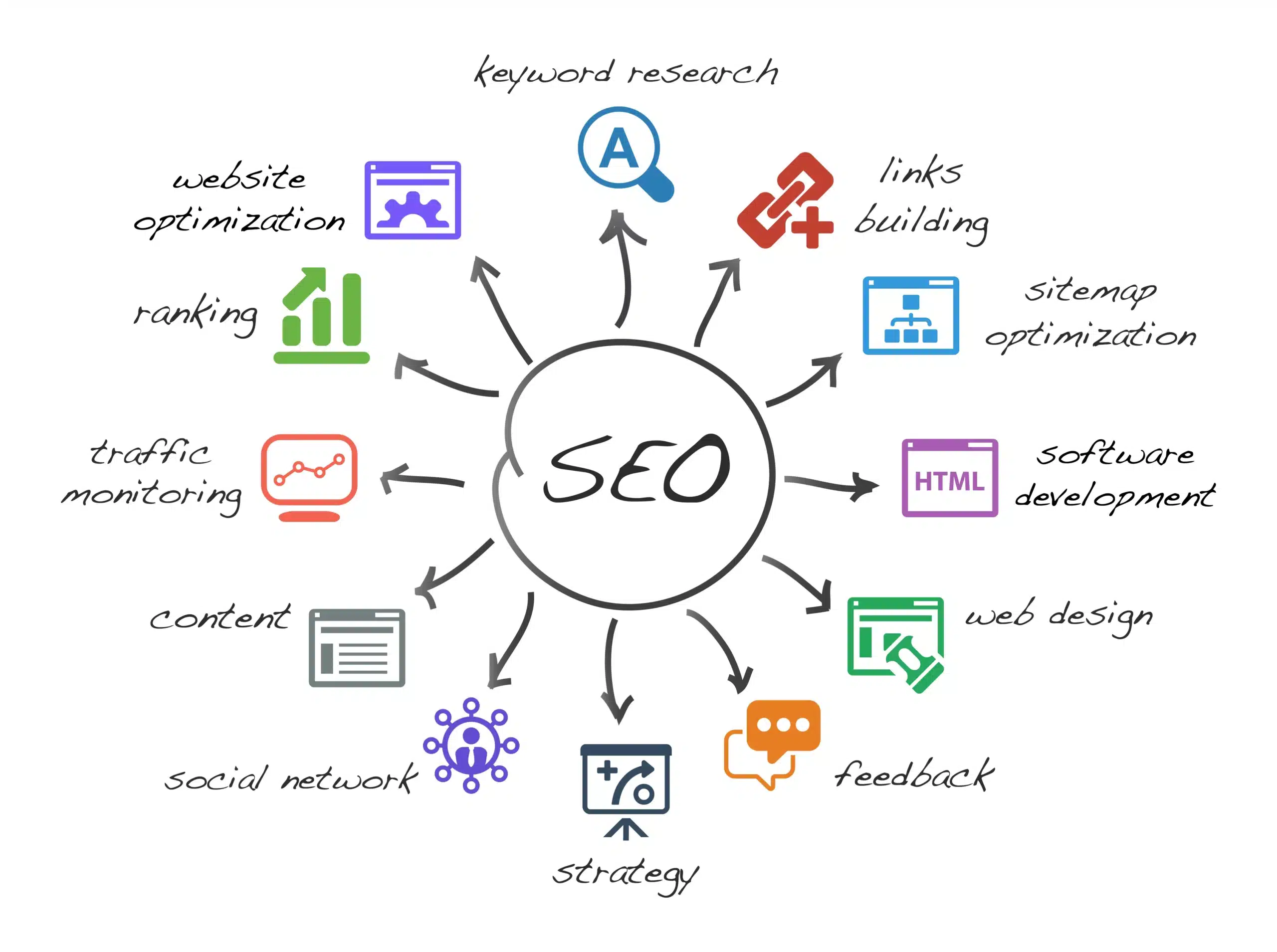
SEO (Search Engine Optimization), or organic search engine optimization, refers to the set of techniques used to improve a website’s visibility on search engines like Google.
The goal is simple: to appear among the top results when a user searches for products, services, or information related to your business.
For example, if you run a web agency in Nantes, SEO can help your website appear when someone searches for “web agency in Nantes” on Google.
📈 Why is SEO so important?
Today, most internet users rely on search engines to find information, products, or businesses.
If your website is not visible in search results, you risk losing a significant number of visitors and potential customers.
SEO helps you:
- Increase your website’s visibility
- Drive qualified traffic
- Generate more leads and sales
- Strengthen your company’s credibility
- Achieve long-term results without paying for each visit
Unlike paid advertising, organic search continues to bring traffic even when you are not actively investing in ad campaigns.
⚙️ How does organic search ranking work?
Search engines analyze and rank billions of web pages to deliver the most relevant results to users.
To decide which pages appear first, they consider several key factors:
- Content quality
- Keyword relevance
- Website speed
- User experience
- Mobile-friendliness
- Website authority through external links
The better your website meets these criteria, the higher its chances of ranking at the top of search results.
🏛️ The main pillars of SEO
1 – Technical SEO
Technical SEO refers to the behind-the-scenes structure of your website:
- Page loading speed
- Website architecture
- Security (HTTPS)
- Mobile and tablet optimization
- Search engine indexing
A fast, well-structured website makes it easier for search engines to crawl and understand your content.
2 – Content
Content is the core of SEO.
To be effective, it must:
- Address users’ needs
- Be clear and well structured
- Include relevant keywords
- Be updated regularly
Blog posts, guides, and service pages are powerful tools to improve visibility.
3 – UX (User Experience)
UX refers to how visitors interact with your website:
- Simple, intuitive navigation
- Clear menus
- Clean and appealing design
- Fast loading times
- Readable text
- Easy access to information
- Mobile responsiveness
Good content attracts visitors, but great UX keeps them engaged and encourages them to take action.
4 – Popularity (Link Building)
Search engines treat backlinks from other websites as votes of confidence.
The more high-quality links your website receives from trustworthy sources, the more credibility and authority it gains.
🎯 Benefits of SEO for a business
Investing in SEO offers many advantages:
- More visibility: your business becomes easier to find
- Qualified traffic: users already searching for your services or products
- Greater credibility: top-ranking websites inspire more trust
- Excellent ROI: long-term results without cost per click
- Competitive advantage: stand out from competitors
📝 Conclusion
SEO, or organic search engine optimization, is an essential tool for improving a website’s visibility on search engines. It helps attract qualified traffic, increase brand awareness, and generate more business opportunities.
Although results are not immediate, a well-structured SEO strategy delivers long-lasting benefits and is one of the best investments for sustainable website growth.